
What Is Bruxism?
Bruxism is the medical term for grinding the teeth or clenching the jaw, Usually seen in night time and can also be seen in day time.
What Causes Bruxism?
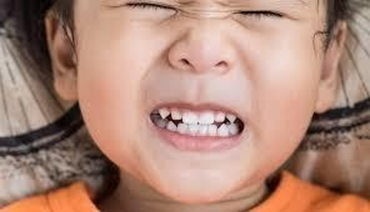
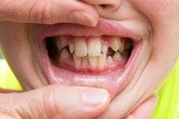

Kids might grind their teeth for a few reasons, including:
- Teeth that aren’t aligned properly
- Pain, such as from teething
- Stress; for instance, from worry about a test or a change in
Even arguing with parents and siblings can cause enough stress to prompt teeth grinding.
- Medical reasons, like ADHD, cerebral palsy etc.
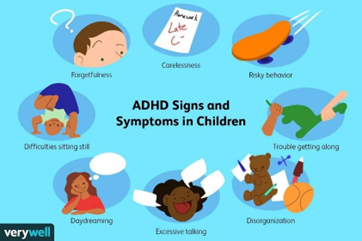
What Problems Bruxism can cause?
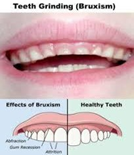

It can cause:
- Headaches
- Worn down tooth enamel or chipped teeth
- Sensitive teeth
- Jaw pain
How Is Bruxism Diagnosed?
Many kids who grind their teeth don’t know they do. Often, siblings or parents are the ones who notice the problem.
Some signs to watch for:
- Grinding noises when your child is sleeping
- Complaints of a sore jaw or face after waking up in the morning
- Pain with chewing
If you think your child grinds their teeth, visit the dentist, who will check the teeth for chipped enamel and unusual wear and tear and sensitivity of teeth
If the teeth are damaged, the dentist may ask a few questions to look what’s causing the grinding, such as misaligned teeth or stress.
How Can Parents Help?
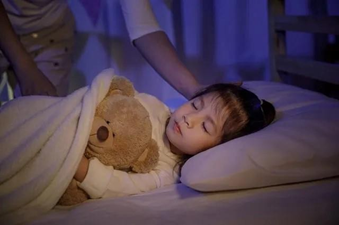
Whatever the cause of bruxism, help kids relax before bedtime — they might take a warm bath or shower, listen to a few minutes of soothing music, or read a book.
For bruxism from stress, ask about what’s upsetting your child and find a way to help.
For example, a kid who worries about being away from home for a first camping trip might need reassurance that mom or dad will be nearby if needed.
Most kids outgrow bruxism when they lose their baby teeth. In the meantime, routine dental visits can help find and treat bruxism.
